What each stage is actually ready for
Age ranges on a toy box are safety ratings first and difficulty ratings second. Here is what changes at each stage, so you can judge a toy on whether your child can do something with it.
Babies, 0 to 12 months
Vision is limited to high contrast at close range, and everything ends up in the mouth. What works: rattles, crinkle cloth books, soft blocks, and from around six months stacking rings once a baby can sit and grasp. What to avoid: small detachable parts, cords longer than about 20 cm, and clip-shut battery compartments.
Toddlers, 1 to 3 years
This is the cause-and-effect stage. Push it and it moves; drop it and it bangs. Shape sorters, pull-along toys and chunky wooden puzzles hold attention far longer than anything that only plays a tune. From about two, pretend play begins and building becomes serious – doctor and kitchen sets, large blocks, puzzles of twelve to twenty pieces.
Preschool, 3 to 5 years
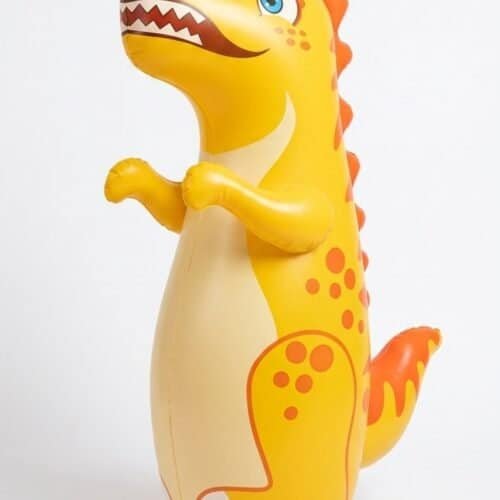
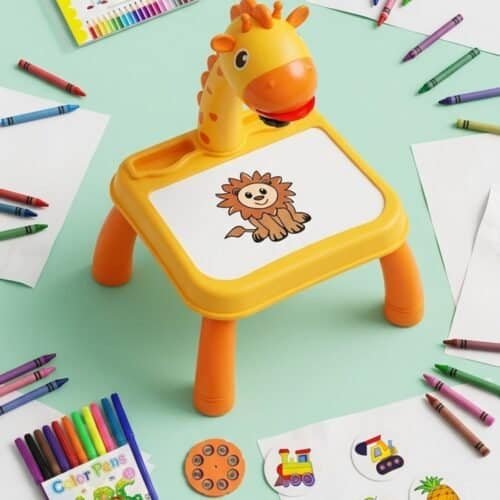
Around three a child can follow a simple rule, which is what unlocks board games – the colour-and-matching kind, not the reading kind. Art and craft becomes a real category rather than a mess, and this is the best age to push play outdoors with balls, ropes and outdoor toys.
School age, 5 to 8 years
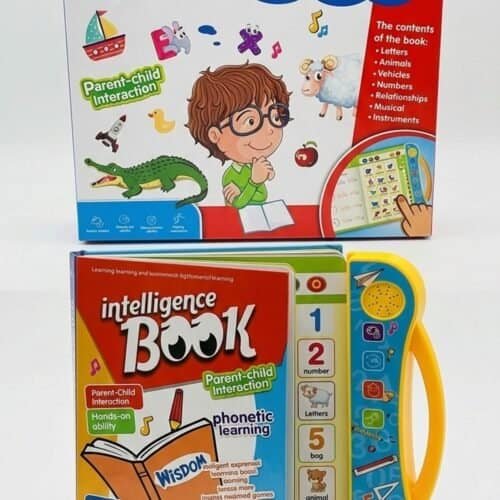
Children want to get good at something. Construction sets with instructions, larger jigsaws, strategy games and learning toys all give a visible sense of progress. A gift that is slightly too grown-up lands far better here than one that is slightly too young.
Three questions worth asking before you buy
Can they use it without an adult? A toy that needs supervision every single time gets used less. Is there more than one way to play with it? Open-ended toys outlast single-function toys by years. Where will it live? If there is no shelf or box for it, it will be broken or lost within a month.
Our age-by-age toy guide goes through each year in more detail, and the toy safety guide covers the five things worth checking before you hand over money.